This article is about the Redoubt Cemetery, Helles and is one of a number of articles I have written about Gallipoli. I also have guides to help you research soldiers who served in the British Army during the First World War:
Redoubt Cemetery Helles Gallipoli
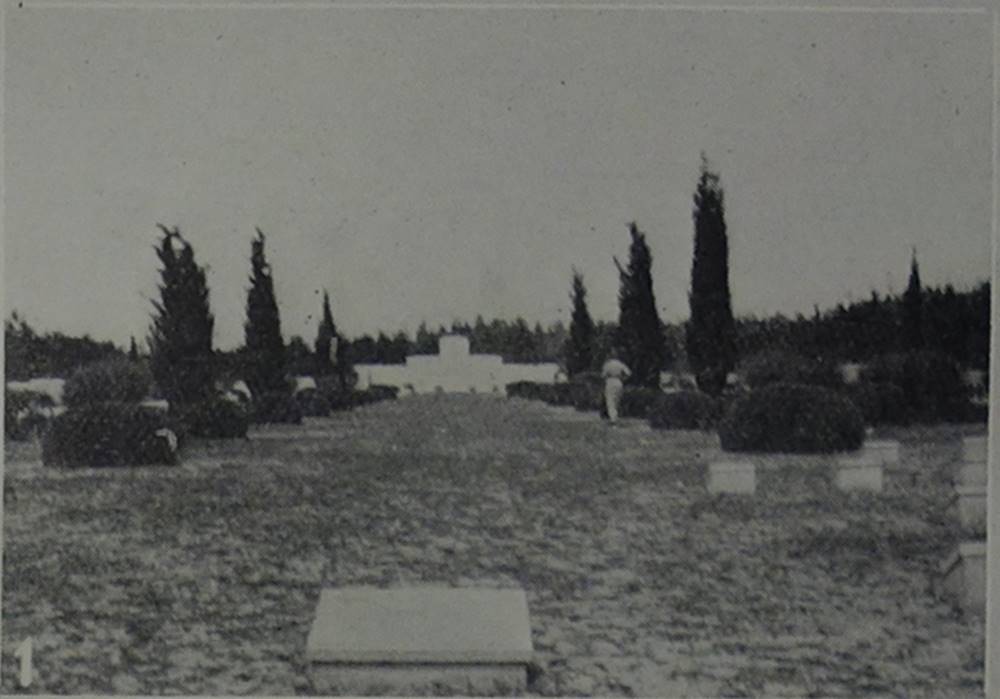
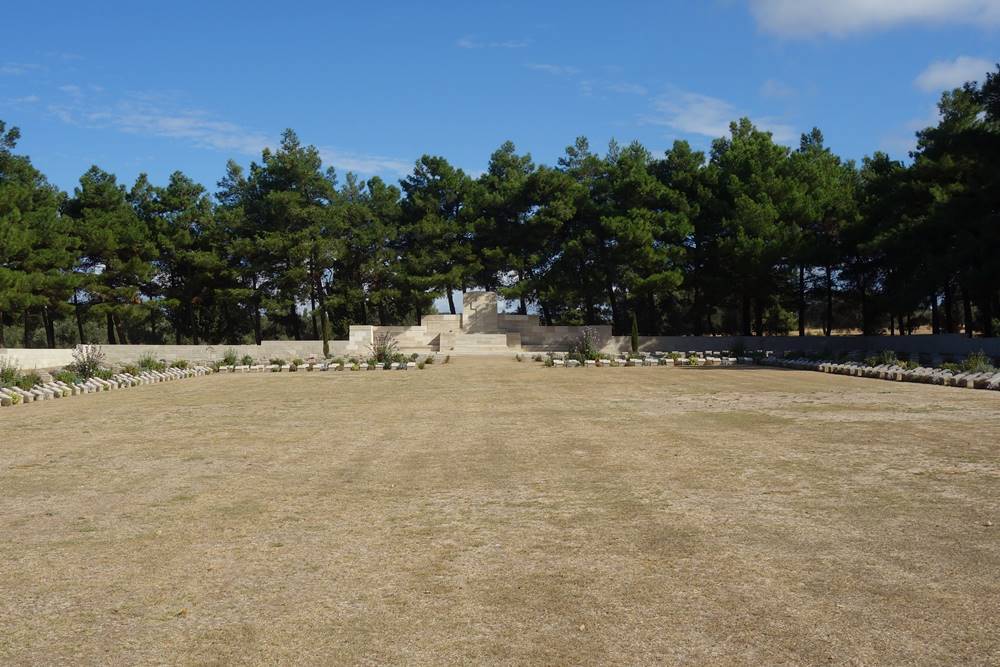 The Redoubt Cemetery, Helles, named after the Redoubt Line, contains the graves of 2027 Commonwealth servicemen who died during the Gallipoli Campaign. Of the men buried in the cemetery, 1393 are unidentified and there are 349 special memorials to casualties known or believed to be buried in the cemetery. The Redoubt Cemetery was started in May 1915 by the 2nd Australian Infantry Brigade and contains burials of soldiers who died throughout the campaign. There are many casualties from the Third Battle of Krithia (4 June 1915) and the Battle of the Krithia Vineyard (6 – 13 August 1915) in the cemetery. Many of these men were Territorial Force (the forerunner of the Territorial Army) soldiers serving with the Manchester Regiment or Lancashire Fusiliers. After the war, the Redoubt Cemetery was used to concentrate cemeteries and graves in the surrounding area. The photograph of the cemetery below was taken in 1936.
 The trench map below shows the position of the British front line near the Redoubt Cemetery on 6 August 1915. The cemetery is located below the Vineyard, a short distance from the Krithia Road. If you walk from Krithia (Alçıtepe as it is now known) down the Krithia Road, you’ll come to a sign marking the location of the Vineyard. Walk a little further and you’ll see a signpost for the cemetery on your right.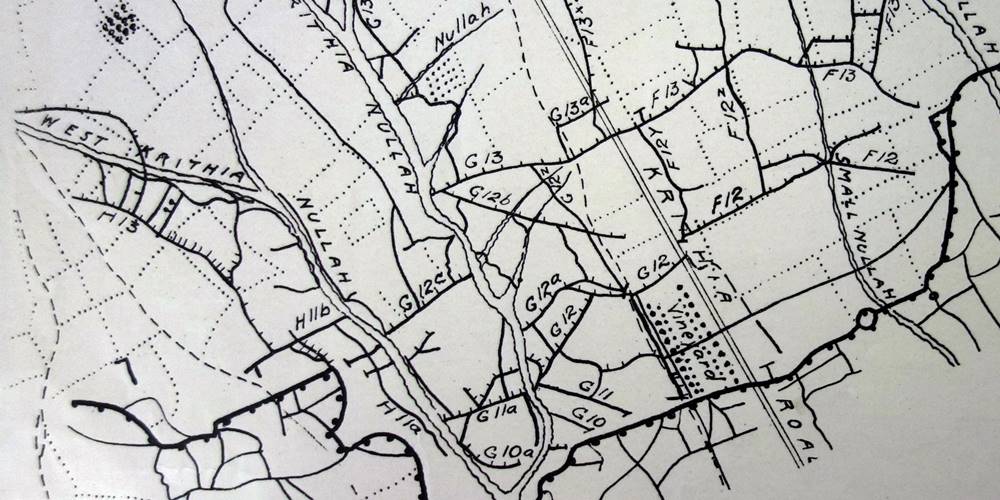
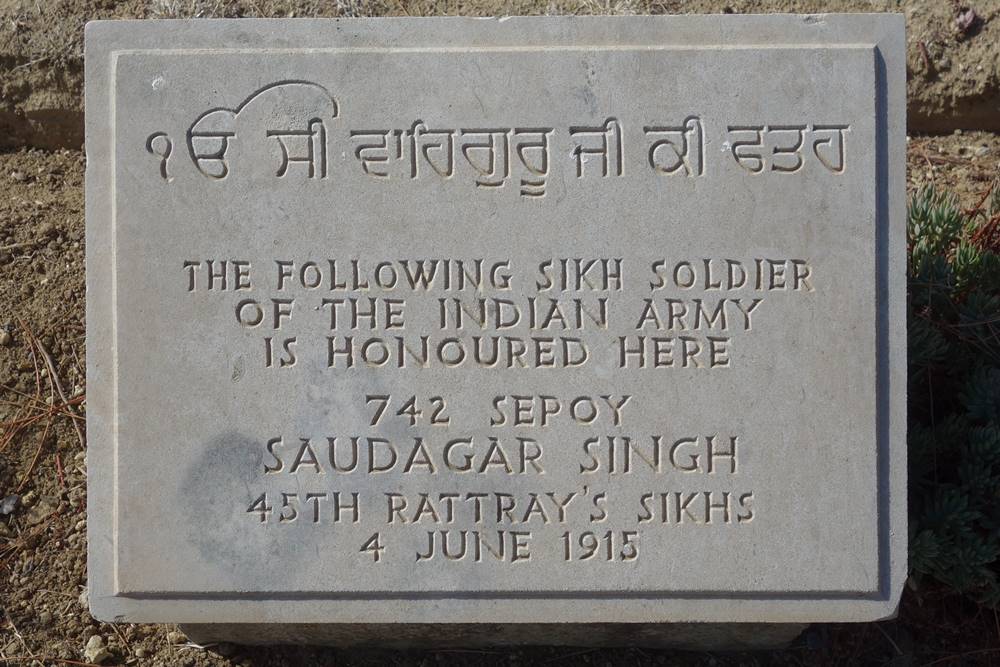
To many, the Gallipoli campaign is associated with the Australian and New Zealand Army Corps (ANZAC) but this formed a small part of the Allied forces involved. The Indian Army also fought in the campaign with over 1,500 soldiers from India and Nepal (Gurkhas) dying on the peninsula. One of these soldiers was Sepoy Saudagar Singh, 45th Rattray’s Sikhs attached 14th King George’s Own Ferozepore Sikhs buried in the Redoubt Cemetery. Sepoy Singh was killed in the failed attack at Gully Ravine on 4 June 1915. It is unusual to find a Sikh headstone and this is one of only two to Sikh soldiers on Gallipoli with the rest commemorated on the Helles Memorial to the missing. It is custom for Sikhs to cremate their dead and this is what happened to the vast majority of Sikh bodies which were recovered. Occasionally, due to the chaos of war, Sikh soldiers were buried instead of cremated which is what happened to Saudagar Singh.
If you’d like to learn more about the Indian contribution to the Gallipoli Campaign I can highly recommend Die in Battle, Do not Despair: The Indians on Gallipoli, 1915 by Peter Stanley.
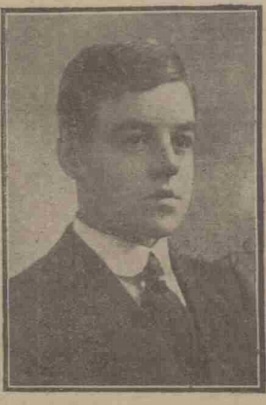
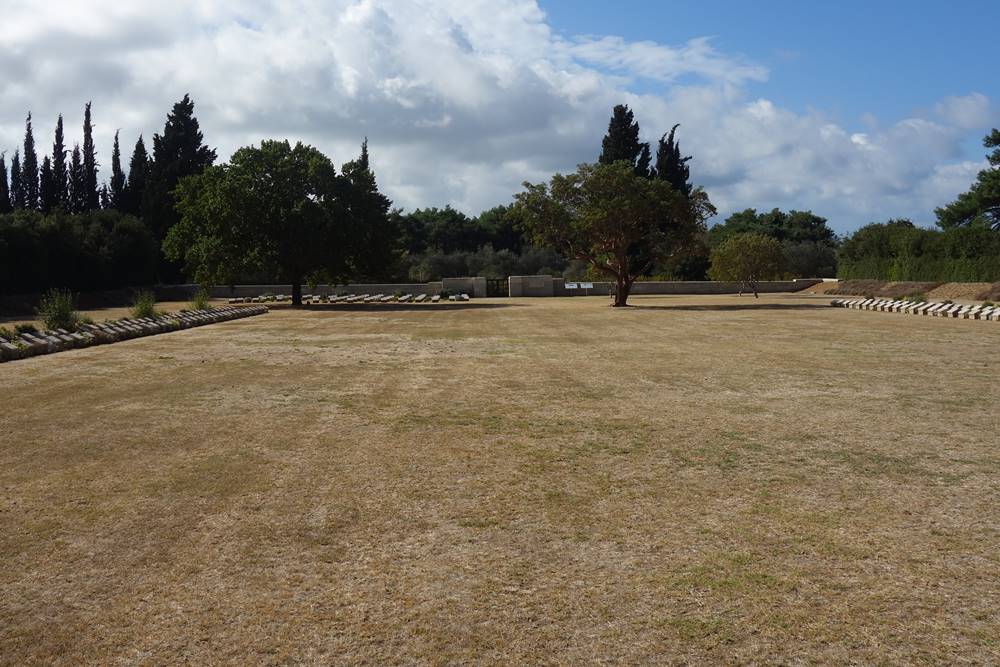
The cemetery contains a Lancashire oak, the tree on the left, in memory of Second Lieutenant Eric Duckworth 6th Battalion, Lancashire Fusiliers who was killed in action on 7 August 1915. The tree was planted by Eric’s father in 1922 near the spot where his son was killed. Eric Duckworth is commemorated on the Helles Memorial to the missing.
 The following obituary for Eric was published in The Rochdale Observer on 18 August 1915:
Eager and plucky, he at once volunteered for foreign service, and obtained his commission as Second-Lieutenant, thus becoming the youngest officer in the battalion. With the foreign servicemen of the 6th he sailed for Egypt on September 10th last, and after a strenuous winter training, left Cairo for the Dardanelles on May 1st. Letters received from him since then give evidence of severe fighting and some narrow escapes. He was twice shot through his uniform, but escaped injury.
Among the officers and men of his own company, and, indeed, throughout the battalion he was much liked. Only a few weeks ago a Rochdale sergeant -Sergeant Bentley of Arnold street, who had just returned from the Dardanelles and was in hospital at Southport, spoke in terms of warm appreciation of Lieutenant Duckworth ”a great favourite with everyone” said the sergeant, ” full of courage and resource, and an inspiration to all his comrades. His pluck was only equalled by him amiability and kindness of heart”.